
In 2020 Leeds’ innovation proposition reached global audiences, when visitors from across the world attended the city to see first-hand how Leeds inspires innovation. The visit was part of a prestigious programme (2018-2020), offered by the Massachusetts Institute of Technology (MIT). At that time, Leeds was developing its own ambitious plans for the city and region, and by hosting the MIT Regional Entrepreneurship Acceleration Program (MIT REAP) international workshop, the city took the opportunity to showcase its strengths to global leaders.
This autumn, during the UK Innovation Districts (UK IDG) Study Visit in Leeds, UK IDG Members saw the progress Leeds has made to accelerate its innovation ecosystem since MIT REAP and the development of the city’s Innovation Arc. Key achievements include the expansion of Nexus as a thriving commercial enterprise hub, the development of specialised assets like Virtuocity, the integration of sports and health tech through the Carnegie School of Sport, Leeds Teaching Hospitals Trust’s Innovation Pop-Up and the planned development of the Old Medical School into a new Healthtech Hub.
During the UK IDG Study Visit, which convened place leaders from innovation districts across the UK for two days, Leeds demonstrated what is possible when universities, NHS trusts, local government, and private developers align with communities around a shared civic and economic mission.
Fiona Bolam, Chief Officer for Economy and Skills at Leeds City Council, said, “It was fantastic to welcome the UK IDG to Leeds again and share our plans to drive innovation further across Leeds as we look to grow the Leeds Innovation Arc, adding 1 million sq ft of innovation space across a £2 billion development pipeline. The group has enabled us to make connections throughout the UK and learn and test ideas across academics, businesses and government.”
The study visit commenced at Leeds Beckett University’s Headingley Campus with opening addresses from Fiona Bolam, Chief Officer for Economy and Skills at Leeds City Council, and Silke Machold, Pro-Vice Chancellor of Research and Innovation at Leeds Beckett University.
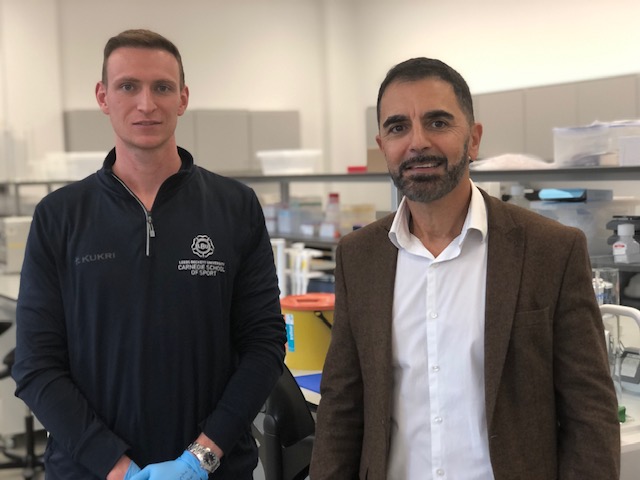
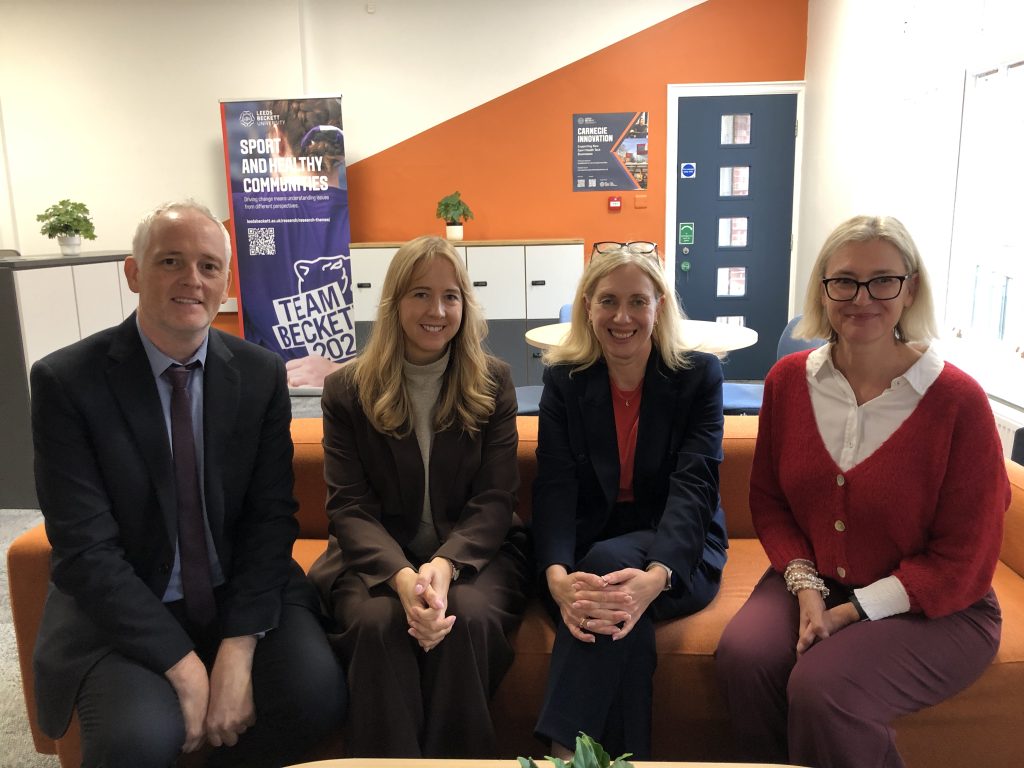
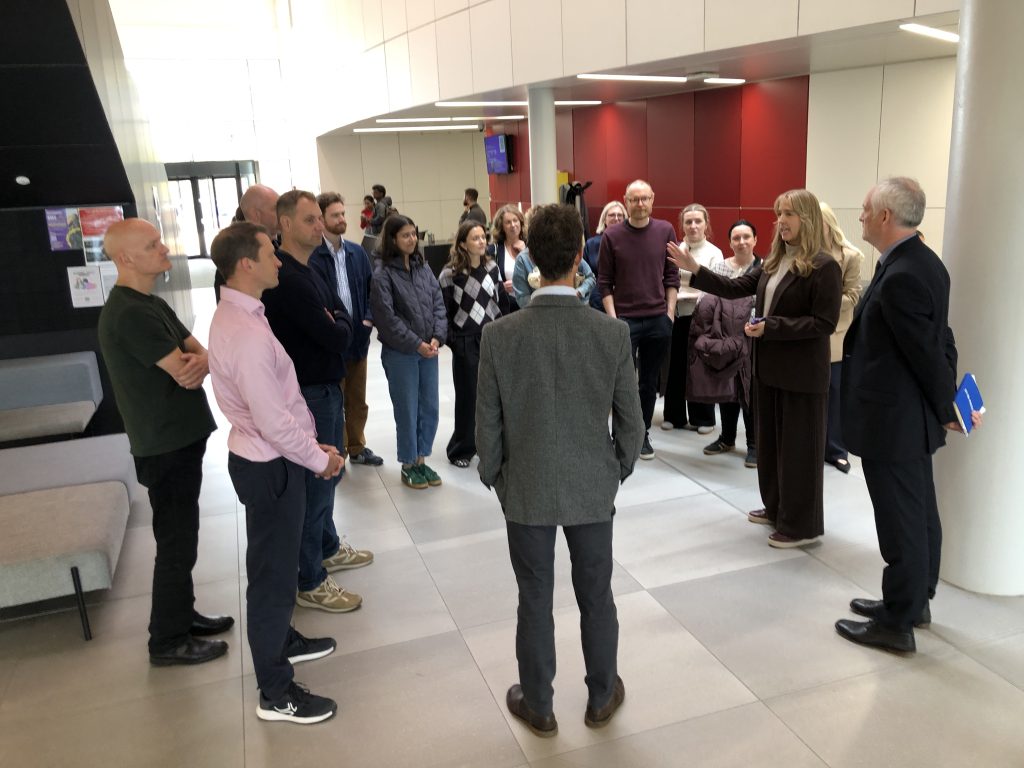
Guided by Susan Backhouse, Professor and Director of Research and Knowledge Exchange in the Carnegie School of Sport at Leeds Beckett University, delegates toured Carnegie Innovation, the university’s Sport Health Tech Incubator, and the Carnegie School of Sport, examining how specialised clusters can build regional economic resilience while directly addressing public health challenges.
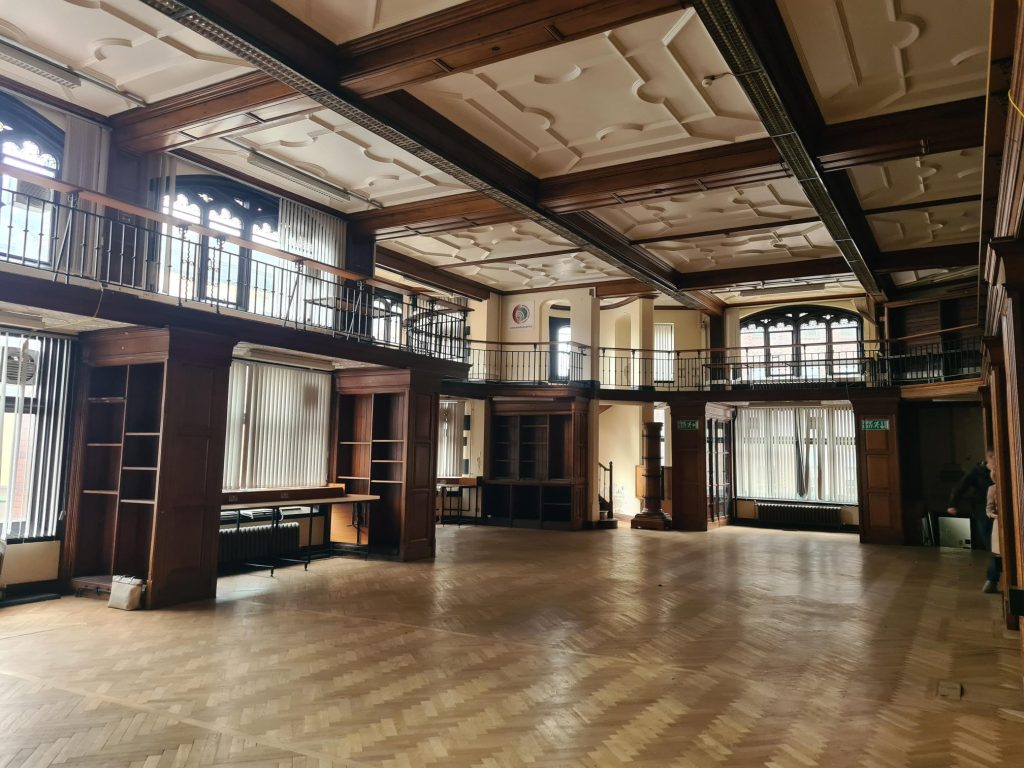
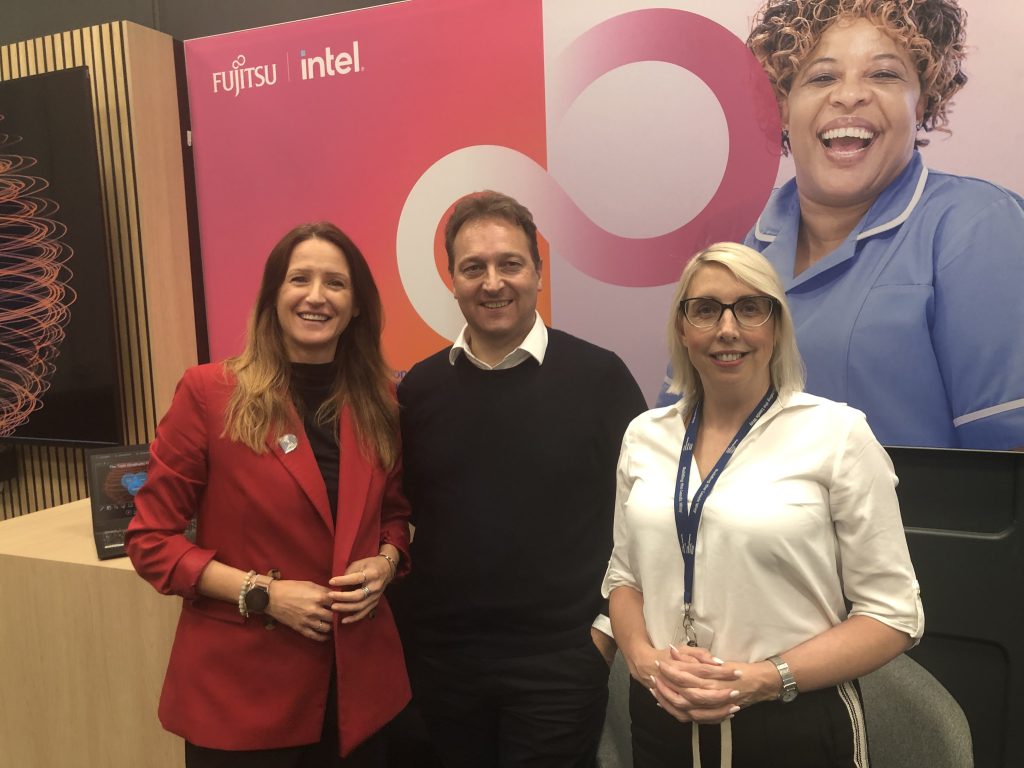
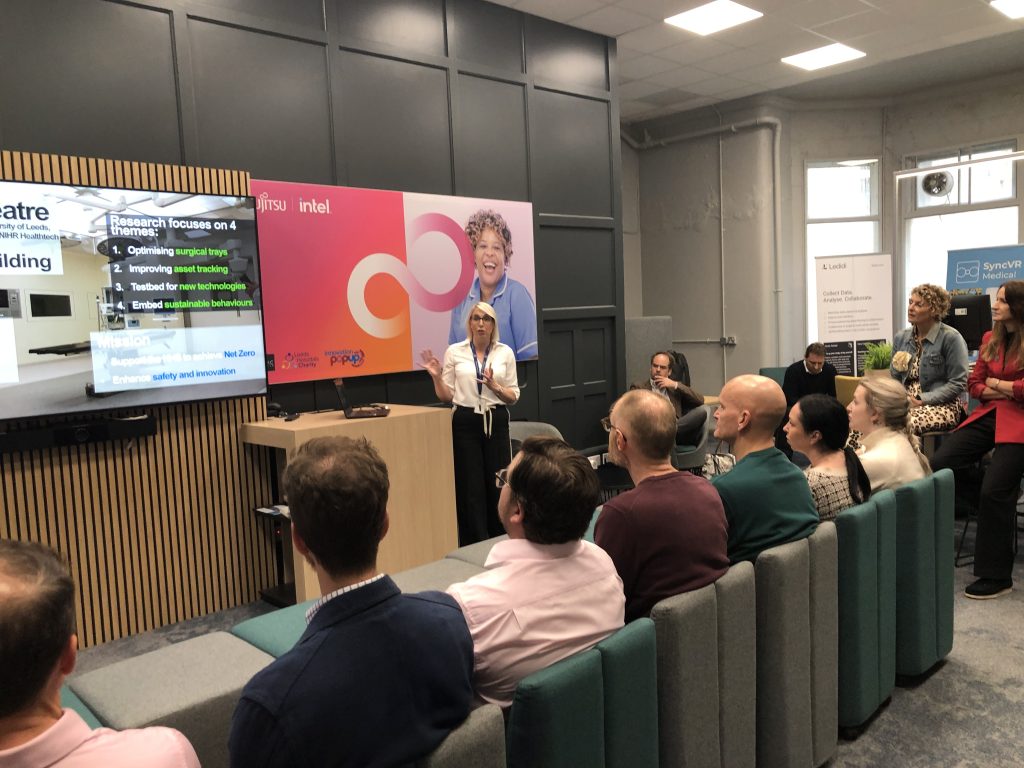
Returning to the city centre, UK IDG Members toured the redevelopment of the historic Old Medical School (OMS). Led by Deb Hetherington, Director of Innovation Ecosystems, and Mark Jackson, Development Director at Scarborough Group, the tour highlighted how heritage architecture will be repurposed into high-tech health hubs. Coupled with a visit to the Leeds Teaching Hospitals Trust’s Innovation Pop-Up, guided by Development Director Tori Critchley, Members heard how clinical and community collaborations will create better health outcomes for local people, as well as jobs and research opportunities from the newly developed specialist spaces.
The evening provided space for ecosystem networking over dinner at Friends of Ham, featuring insights from Stuart Clarke, Founder of Leeds Digital Festival, and Leeds Digital Director Deb Hetherington on the growth of the regional tech community. The session emphasised a core UK IDG principle: innovation districts thrive when physical assets are backed by strong community networks.
Day two focused on the University of Leeds’ Nexus innovation hub, led by Engagement Manager, Barry Singleton. Delegates explored Spark, the university’s progressive startup and entrepreneurship support service for students, and met business founders transitioning academic research into scaling commercial enterprises.
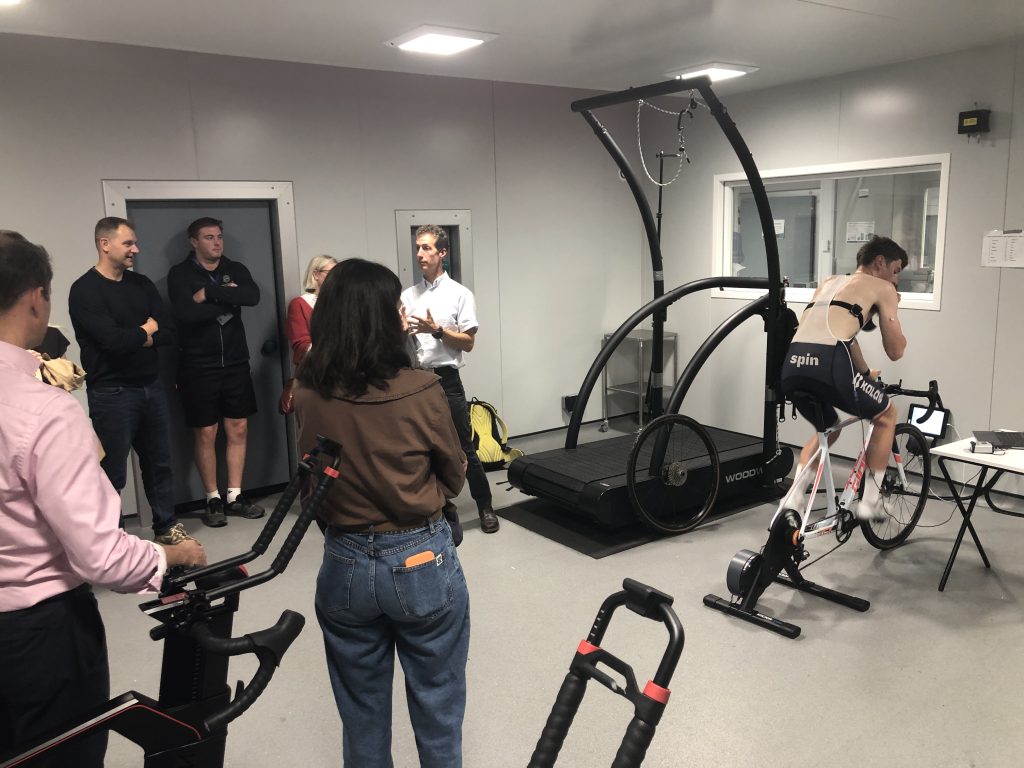
A major highlight of the day was a tour of Virtuocity at the University of Leeds, guided by Programme Manager Peter Woodthorpe. Virtuocity’s immersive pedestrian, vehicle, and transport simulators provide a testbed for safer, smarter urban mobility solutions with a clear focus on behaviour change linked to the cutting edge technologies. The facility gave UK IDG Members hands-on experience of how Leeds are pioneering projects built on the principles of academic, industry and community co-design.
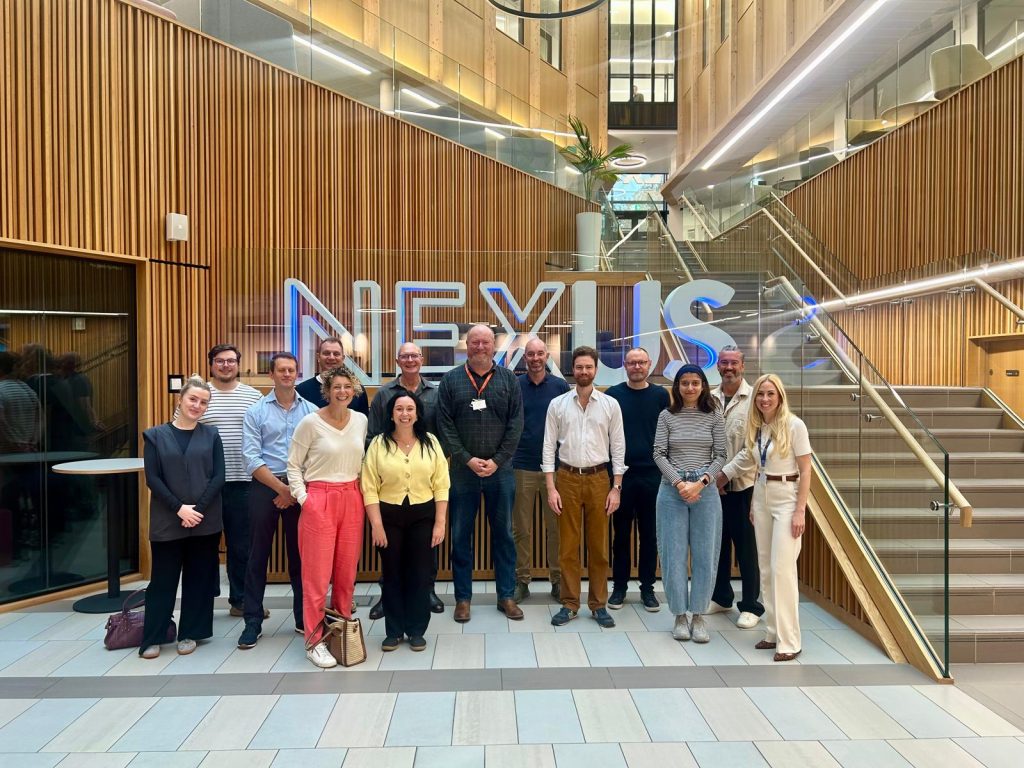
The study visit concluded at Nexus with the UK IDG Members Meeting, where attendees convened to address national policy, research initiatives, the launch of a new Innovation Ecosystem Accelerator and other strategic network priorities.
Emma Frost, Chair of UK IDG, said, “The progress in Leeds is fantastic to see. Nexus is a good seven years on from when we first visited it and the model has proved a huge success. This serves as a strong example of how clear vision and cross-sector collaboration builds resilient, inclusive innovation economies that return real value to the places they belong; something that we at UK IDG are all about enabling.”

Learning Points
- Sustainable financing and business models: As UK IDG prepares its 2027 Action Research Project on sustainable funding structures, the Leeds study visit offered a valuable reference point. By combining public-private partnerships, investment zone funding, and institutional support from the Local Authority and West Yorkshire Combined Authority, universities and health trusts, Leeds illustrates how districts can achieve long-term operational sustainability.
- Crowding in investment: Aligning with UK IDG’s recent workshops and upcoming briefing paper on Crowding in Investment to Innovation Hubs and Districts, Leeds shows how clear spatial frameworks like the Innovation Arc create confidence for private and institutional capital.
- Ecosystem acceleration and talent pathways: Leeds demonstrated how it is integrating university IP adoption, focused business support through programmes like Spark within a research setting, local skills development, and community outcomes. This approach can be used as a blueprint for regional innovation hubs nationwide.
UK place leaders meet together for UK IDG Study Visits twice yearly and the spring 2027 location will be announced soon. If you’re someone that works in place-based innovation and would like to learn more about the UK IDG programme of events, research, and knowledge-share, please email hello@ukinnovationdistricts.co.uk.